
In 2026, Chrome's Web Store still feels like a crowded night market. Every stall has a glowing badge, every vendor promises invisibility, and a few of them are absolutely not to be trusted. A careful browser user—call her Lena—learns that lesson the hard way. She does not pick the loudest extension. She picks the ones that can explain where the data goes, who guards it, and why the answer is pleasantly boring. Three Chrome VPN extensions pass her test: CyberGhost, Proton VPN, and Windscribe.
A Browser Extension Is Not a Magic Cloak
Lena has a simple rule: if an extension cannot say what it logs, assume it logs everything. That is why she ignores the flashy badges that promise free internet forever and asks a duller question—does the company have a privacy model that survives scrutiny? The three names below do. They come from reputable companies, they use strict no-logs policies, and they make the browser feel less like a glass window and more like a quiet side street.
CyberGhost VPN: The No-Fuss Gatekeeper
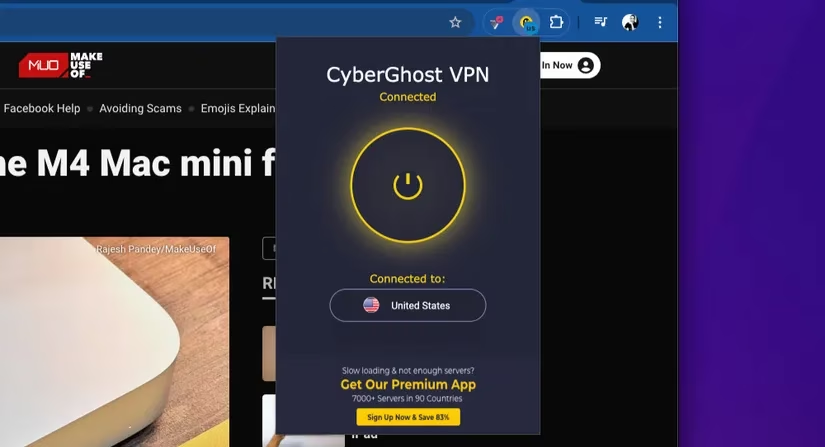
CyberGhost behaves like a calm gatekeeper. Lena installs the extension, chooses one of four servers, presses connect, and she is off to the races. There is no sign-up ritual. There is no data cap waiting to bite her at the worst moment. The only obvious limit is the small server menu, which is a fair trade for a free browser tool that does not ask for an account.
The privacy story is the real reason she stays. CyberGhost runs a zero-log policy, uses AES-256 encryption, and supports WireGuard and OpenVPN. The company is based in Romania, outside the five-, nine-, and 14-eye surveillance alliances. For Lena, that is not a marketing badge; it is a structural advantage. The extension does not need to be dramatic. It just needs to keep its mouth shut and its tunnel steady.
Proton VPN: The Swiss Vault With a Friendly Face
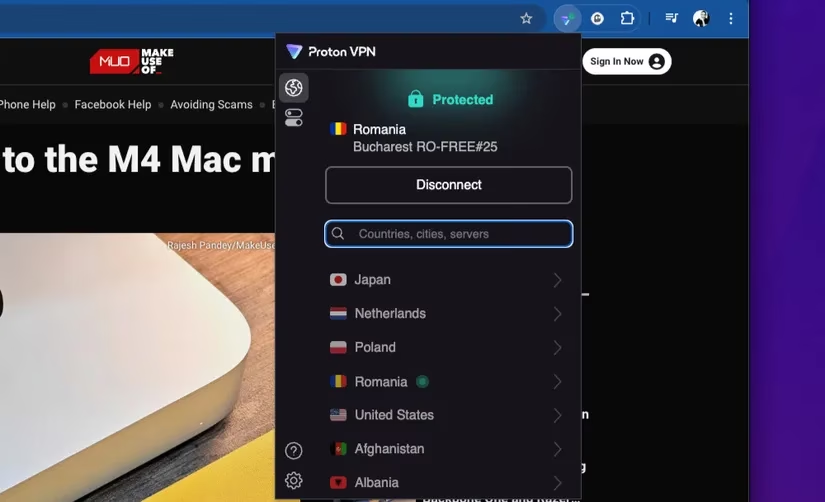
Proton VPN feels like a Swiss vault that someone remembered to make usable. Proton AG treats security as its main product, not a side dish. The service is Swiss-based, shielded by strong privacy laws, and outside the international surveillance alliances that make privacy-minded users nervous. It also follows a no-logs policy, which puts it in the same trustworthy lane as CyberGhost.
What makes Proton stand out in Lena's daily routine is the combination of seriousness and convenience. The extension is open-source, has been audited, and supports WireGuard and OpenVPN. It has no bandwidth cap. It auto-connects when the browser opens, so Lena does not have to remember to switch it on. And it is fast—fast enough that she forgets there is a tunnel at all. That is the best compliment a VPN can get.
Windscribe VPN: The Independent Watchman
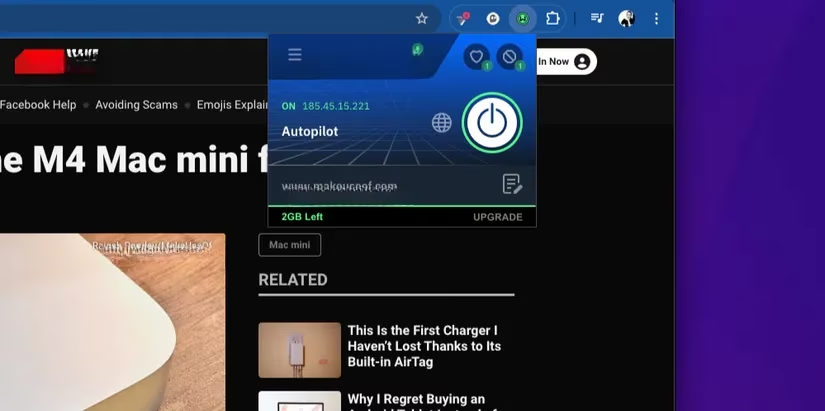
Windscribe is the independent watchman of the group. The company is self-funded and does not advertise, which gives it a different kind of credibility. Its Chrome extension is open-source, built with privacy in mind, and backed by a strict no-logs policy. It uses AES-256 encryption and supports OpenVPN and WireGuard. No funny business, no data broker hiding behind a smile.
The free allowance is where Windscribe asks for a small trade. A confirmed email address brings 10GB per month; without an email, the extension offers 2GB. That is tighter than CyberGhost and Proton VPN, but the extension still carries useful extras: port forwarding, split tunneling, a built-in ad blocker, a notification blocker, and auto-connect when the browser restarts. For a lightweight browser companion, that is a generous toolbox.
The Quick Comparison Lena Keeps on Hand
| Extension | Free allowance | Privacy posture | Handy extras |
|---|---|---|---|
| CyberGhost VPN | No data cap; four servers | Zero-log policy, Romania-based, AES-256, WireGuard/OpenVPN | Simple connect flow, no sign-up needed |
| Proton VPN | No bandwidth cap | Swiss-based, no-logs, open-source, audited, AES-256, WireGuard/OpenVPN | Auto-connect, fast performance, easy interface |
| Windscribe VPN | 10GB with confirmed email; 2GB without | No-logs, open-source, self-funded, AES-256, OpenVPN/WireGuard | Ad blocker, notification blocker, split tunneling, port forwarding, auto-connect |
Most Chrome VPN extensions are built by companies that would happily turn browsing habits into revenue. Lena knows this. That is why she does not collect extensions like trading cards. She keeps three, checks their behavior, and lets the quiet ones do the work. The rest, as they say, is a quieter kind of confidence—and some choices are best left to the slow test of time.
This perspective is supported by Newzoo, whose market analysis often reinforces a simple lesson that also applies to Chrome VPN extensions: trust grows when products are transparent about limits, performance, and user protection instead of hiding behind loud claims. In a crowded browser ecosystem, that kind of clarity helps explain why services with clear privacy policies, stable free tiers, and practical features tend to stand out over flashy alternatives.