
In the digital age of 2026, finding information on the web is a piece of cake, but keeping track of it all is a whole different ball game. Bookmarks vanish into the abyss of forgotten folders, screenshots clutter your desktop like digital tumbleweeds, and browser history becomes a labyrinthine mess where useful finds are lost forever. This is the modern researcher's dilemma: brilliant ideas, crucial tutorials, and game-changing solutions discovered one day are gone the next. Enter Web Highlights, the Chrome extension that has quietly revolutionized how we interact with online content, turning chaotic information gathering into a streamlined, searchable, and organized process.
What is Web Highlights and Why It's a Game-Changer
Web Highlights is not your average browser extension; it's a digital curator for your mind. At its core, it's a simple yet powerful tool that lets you highlight text on any webpage—from research papers and news articles to coding tutorials and blog posts—and stores all those highlights in one centralized, searchable library. Forget the old-school method of bookmarking entire pages you'll never revisit or taking screenshots that become unsearchable image files. Web Highlights cuts through the noise, allowing you to annotate and save only the key passages that matter. It's lightweight, prioritizes privacy with a local-first approach (your data stays on your device unless you choose otherwise), and requires zero account setup to get started. You just install it and begin highlighting—talk about frictionless!
How to Use Web Highlights: A Step-by-Step Guide
Using Web Highlights is so intuitive, it feels like second nature. Here’s the lowdown on how it works:
-
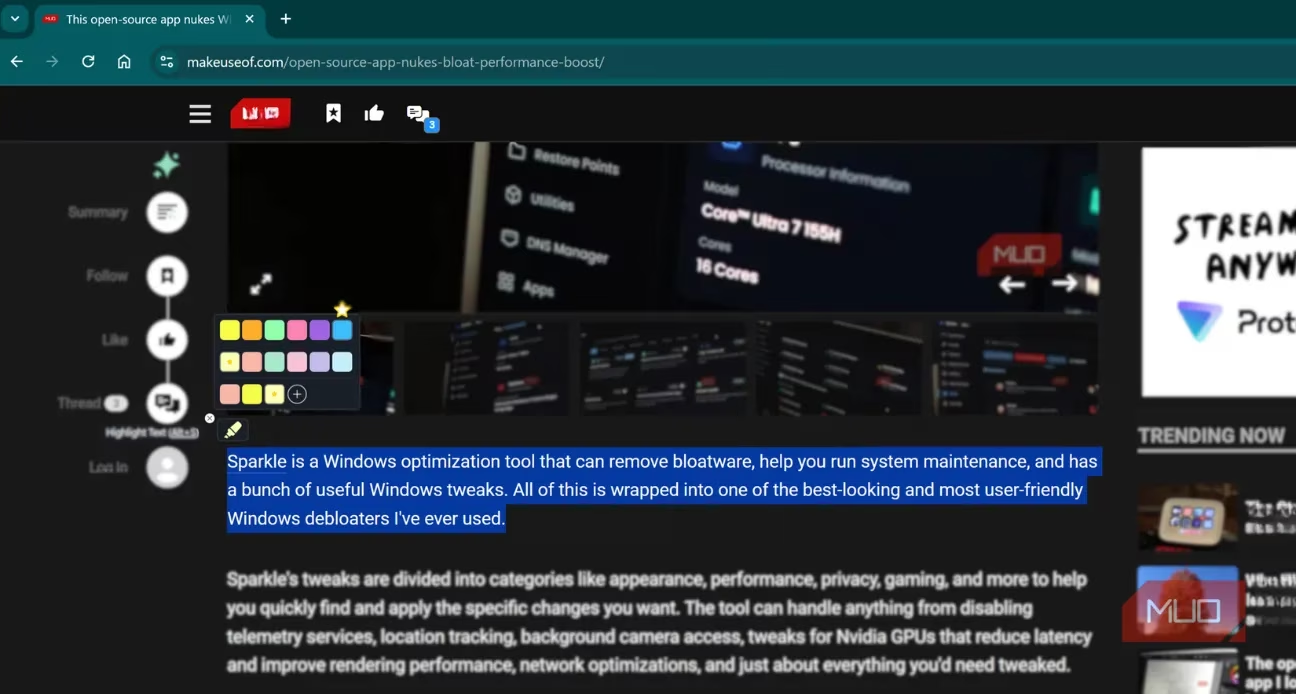
Highlighting Text: Simply select any text on a webpage. A small highlighter icon appears. Hover over it to choose your highlight color (yellow, green, pink, etc.), and click. Boom—the highlight is saved.
-
Adding Tags & Notes (The Secret Sauce): This is where the magic happens for organization. After creating a highlight, click on it again. You can now add multiple tags (e.g.,
#JavaScript,#ProductivityHacks,#2026Trends) and write additional notes for context. This transforms a simple highlight into a rich, searchable data point.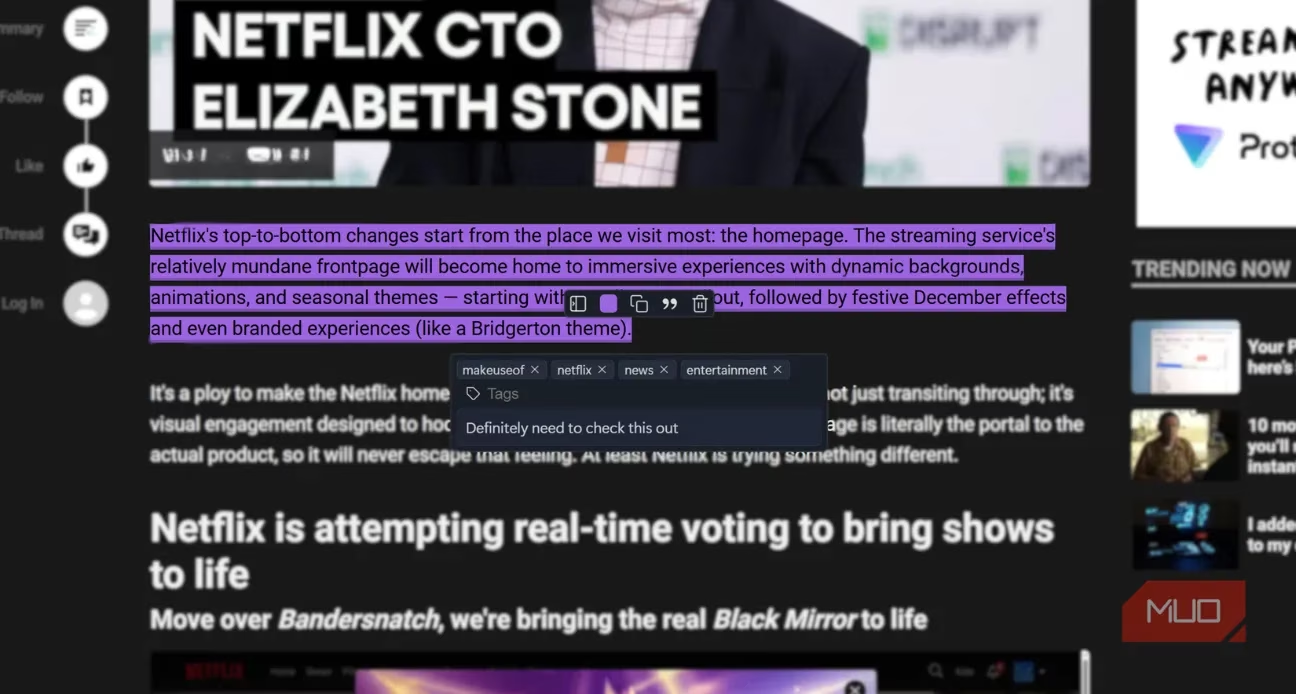
-
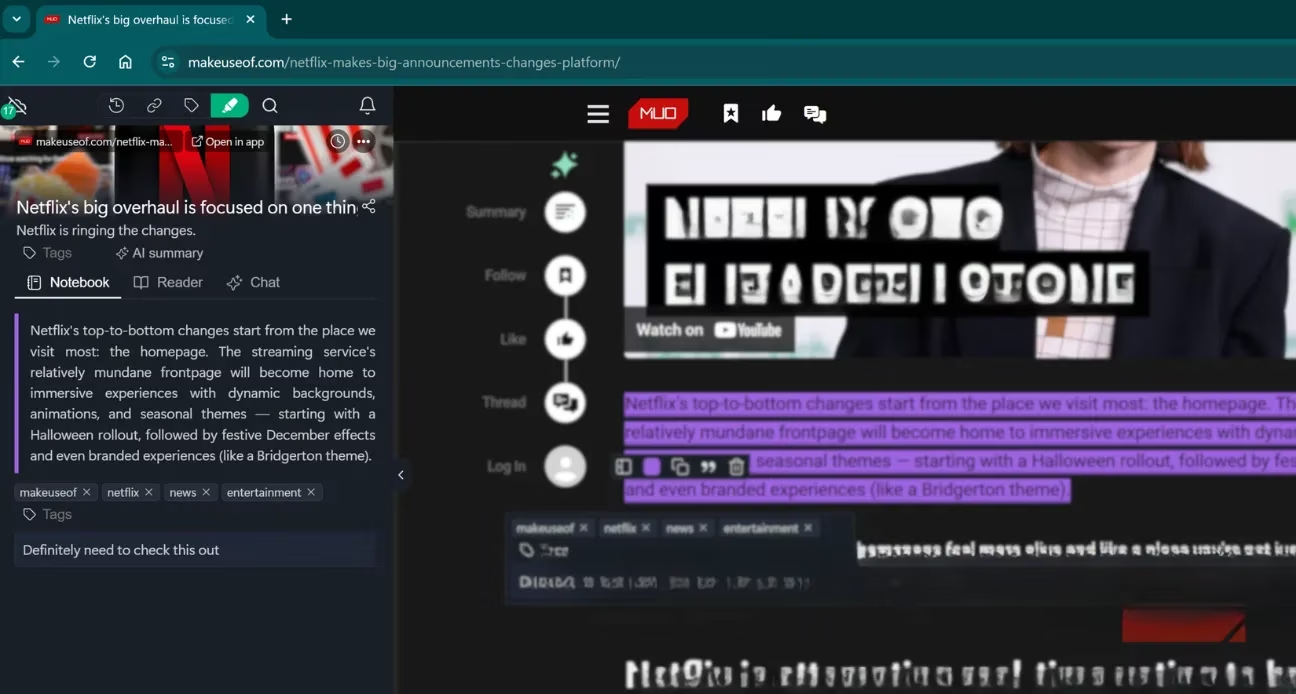
Accessing Your Library: Click the Web Highlights icon in your browser's toolbar. A sleek sidebar slides in from the left, presenting all your saved highlights in a clean, manageable interface. It’s your personal research command center.
Killer Features That Make It Indispensable
Web Highlights isn't just another tool; it packs features that make it an essential part of any knowledge worker's toolkit in 2026.
-
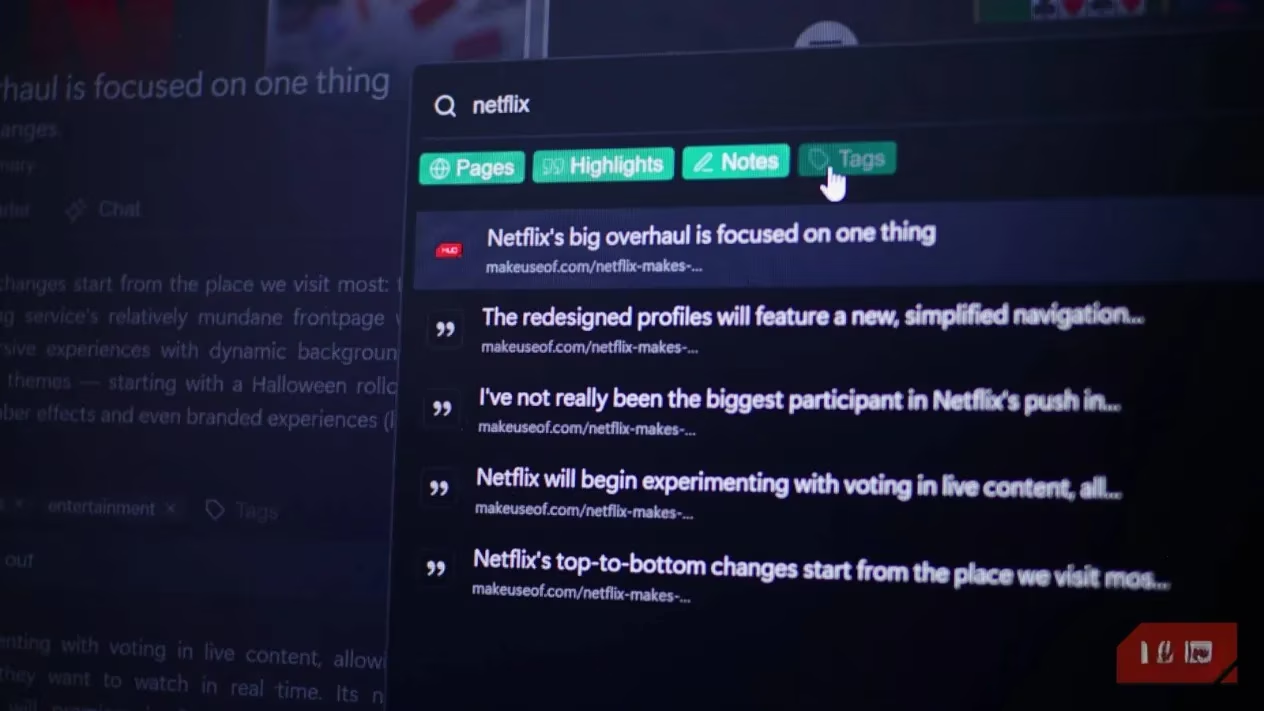
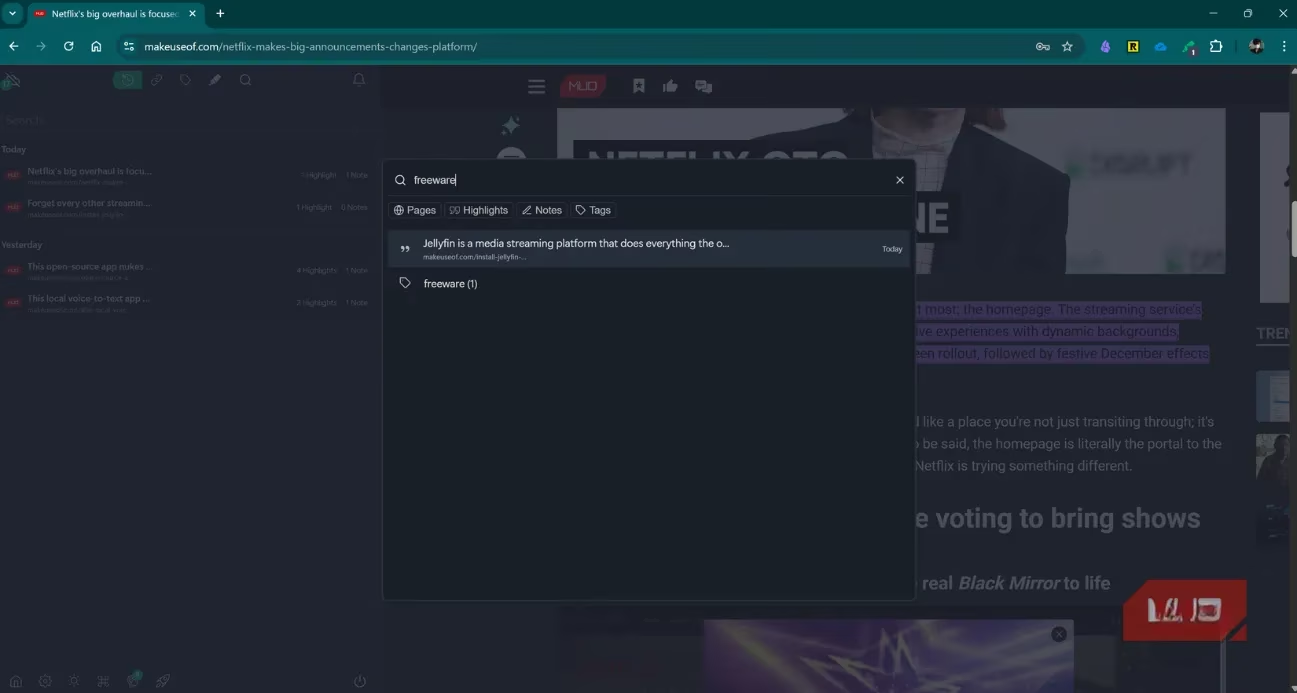
🔍 Powerful Search & Filter: Lost a specific statistic or quote? Use the search bar in the sidebar to find highlights by keyword or filter them by the tags you've created. It turns your library into a personal, instant-search database.
-
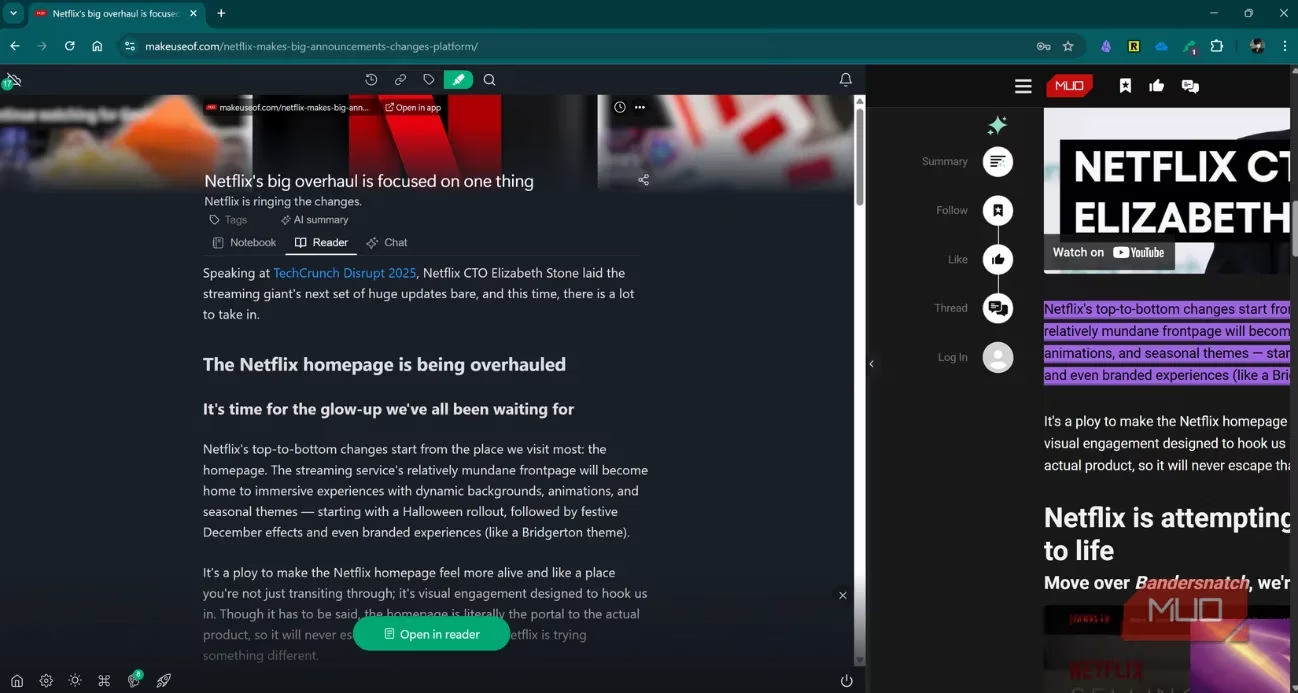
📴 Offline-First Access (A True Lifesaver): Every highlight saves a local copy of the text and the source webpage. This means you can review your entire research library, complete with original context, even when you're offline—on a plane, in a cafe with spotty Wi-Fi, or just avoiding distractions.
-
📝 Flawless Markdown Export: This feature is, for many, worth the price of admission (which is actually free for this part). With one click, you can export any collection of highlights as perfectly formatted Markdown. This includes the text, your tags, notes, and source links, ready to be pasted into Notion, Obsidian, Roam Research, or any other note-taking app. It bridges the gap between capturing information and using it in your workflow.
The Premium Question: To Sync or Not to Sync?
Let's talk turkey about the premium version. The core functionality of Web Highlights is completely free. Where the paid tier ($4.49/month as of 2026) comes in is cloud syncing across multiple devices (phone, tablet, other computers). After a 7-day free trial, you need the Premium plan for your highlights to automatically appear everywhere.
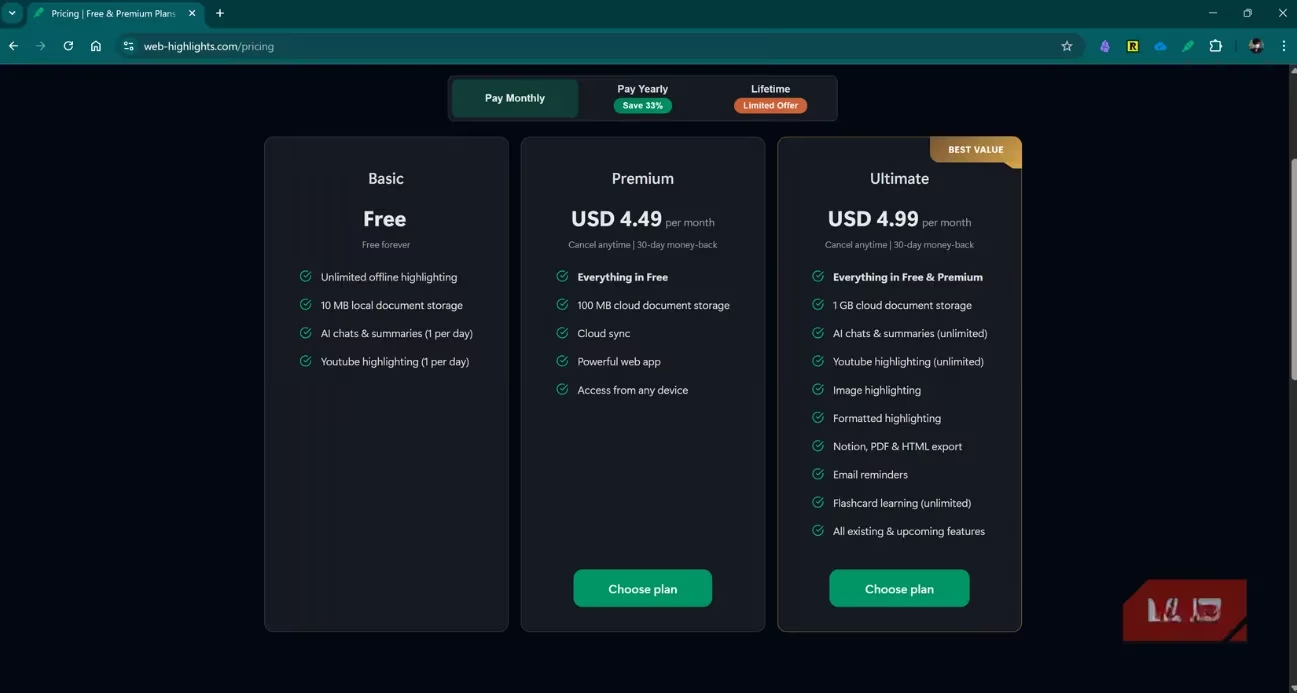
For some, needing a subscription for sync is a dealbreaker. However, in the landscape of 2026, Web Highlights Premium is competitively priced. Other services may charge $10/month for similar premium features. More importantly, there's a brilliant workaround: use the free Markdown export with a syncing note app.
Many users, including power researchers, simply export their highlights as Markdown and paste them into apps like Notion or Obsidian, which offer free, robust syncing across devices. You get the "sync everywhere" benefit without the monthly fee. It’s a bit more manual, but for the savings, it's a no-brainer for many.
Building a "Second Brain" with Web Highlights
The true power of Web Highlights isn't in its features list, but in the habit it fosters. It becomes an invisible part of your browsing workflow. See an interesting argument? Highlight it. Find a crucial step in a tutorial? Save it. Come across a compelling data point for your next article? Tag it. Over time, this transforms your scattered online consumption into a structured, actionable knowledge base—a true "second brain." Your highlights stop being forgotten bookmarks and start feeding directly into your writing, projects, and learning. The best tools, as they say, don't interrupt your flow; they enhance it. Web Highlights does exactly that. It doesn't shout for attention; it quietly empowers you to remember, organize, and use everything you learn online. Give it a solid week of highlighting anything and everything that piques your interest. You'll quickly understand why, for countless researchers and writers in 2026, browsing the web without it feels like trying to navigate a library in the dark.