
A dangerous smishing campaign is targeting Apple iMessage users in 2026, and its central trick is simple: it persuades recipients to reply to a message from an unknown sender. That single reply can disable iMessage’s built-in protection against suspicious web addresses, leaving millions of users exposed to credential theft, financial fraud, and identity crime. The campaign relies on social engineering rather than a software flaw, which makes it difficult to stop with a patch alone. Attackers are impersonating delivery companies and toll authorities, and they are counting on ordinary texting habits to turn a cautious user into a responsive target.
How the iMessage protection is bypassed
Apple’s messaging service normally blocks web addresses sent over iMessage when the text comes from an unknown sender. This safeguard is designed to keep users away from malicious destinations. Cybercriminals have found a loophole: they trick recipients into confirming that the sender is known. Once that confirmation happens, iMessage treats the number as familiar and enables embedded destinations that would otherwise be restricted.
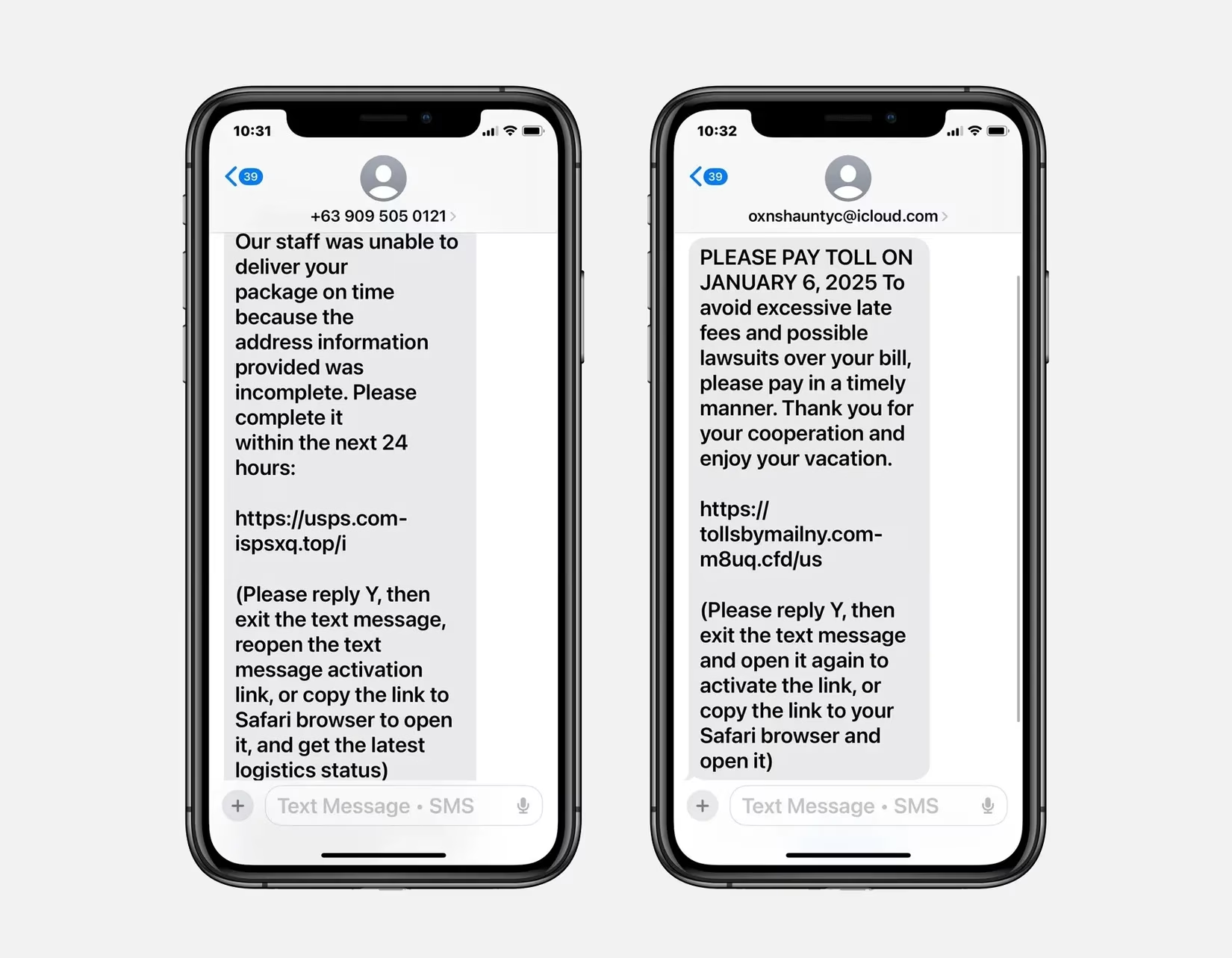
The fake alerts often appear as delivery notices or unpaid toll warnings. A typical message asks the recipient to reply with Y for yes or N for no to accept or reject a delivery. The wording is intentionally mundane, and it mirrors legitimate appointment reminders, delivery updates, and payment notices that often ask for STOP, YES, or NO. Because replying feels harmless, many users answer before considering the consequences. Security reporting cited by Bleeping Computer notes that the message may also instruct recipients to exit the text, reopen the activation destination, or copy the address into Safari to check the latest delivery status or pay a toll fee. That destination leads to a phishing site designed to harvest personal and financial information, which can later be used for identity theft, credit card fraud, and other attacks.
Why a reply is more dangerous than it looks
Even when a recipient does not tap the embedded destination, replying confirms that the number is active and that the person responds to smishing texts. That confirmation can place the user on future target lists. Attackers often sell or reuse responsive numbers because a reply signals vulnerability. The campaign therefore creates two risks at once: it weakens iMessage’s protection and it identifies people who are likely to engage with fraudulent messages.
🚨 Warning signs include:
-
A message about a package the recipient is not expecting
-
A toll fee or fine for a journey the recipient never made
-
Urgent language that demands immediate action
-
A limited-time offer or a threat of penalties
-
A request to reply Y, N, YES, NO, or STOP to an unknown number
-
Instructions to reopen, copy, or activate a destination outside the message thread
Most phishing scams are designed to make people act before they think. Pressure, confusion, and routine texting behavior are powerful tools. In 2026, these messages can look polished and ordinary, so users should judge the situation by context rather than by presentation alone.
Safer verification habits
Users who are unsure whether a package or fee is real should close iMessage and open the official company website in a browser. They can contact customer service directly or sign in through the company’s website or app. They should not use the destination supplied in the message. A separate, independently opened session gives the recipient a much safer way to verify whether the notice is genuine.
| Situation | Safer action |
|---|---|
| Unexpected delivery text | Check the carrier or retailer through an official app or website |
| Unpaid toll warning | Contact the toll authority using independently found contact details |
| Message asks for a reply | Do not answer an unknown number |
| Message includes a web address | Treat it as malicious until independently verified |
| Sender creates urgency | Pause and verify before acting |
What to do after responding
If a user has already replied or followed the attackers’ instructions, quick action can reduce the damage. The first step is to block the number so it cannot send further messages. The next step is to change passwords for important accounts and enable multifactor authentication. MFA adds a second layer of protection if a password is later exposed.
If financial information was shared, the user should call the bank immediately. The bank can freeze the account, cancel the affected card, and issue a replacement. If personally identifiable information was exposed, the user can contact TransUnion, Equifax, and Experian to freeze credit. A credit freeze makes it harder for scammers to open loans or new credit cards in the victim’s name.
Ongoing monitoring is also important. Users should review bank and credit card statements for suspicious transactions and consider identity theft protection services. These services can include credit and PII monitoring, social media monitoring for profiles created under the victim’s name, stolen data restoration support, and identity restoration assistance. Devices should also receive the latest software updates and security patches as soon as they become available, because updates can close vulnerabilities and reduce the chance of future compromise.
The iMessage smishing campaign shows how a small behavioral trigger can undermine a useful security feature. The most effective defense is restraint: do not reply to unknown numbers, do not trust unexpected delivery or toll messages, and verify every claim through an independent official channel. 🛡️